Tenant management

Know every tenant, lease, document, and interaction from one place.

Tenant details live in WhatsApp threads, Excel sheets, and paper files — so nobody on your team has the full picture when a question comes in.

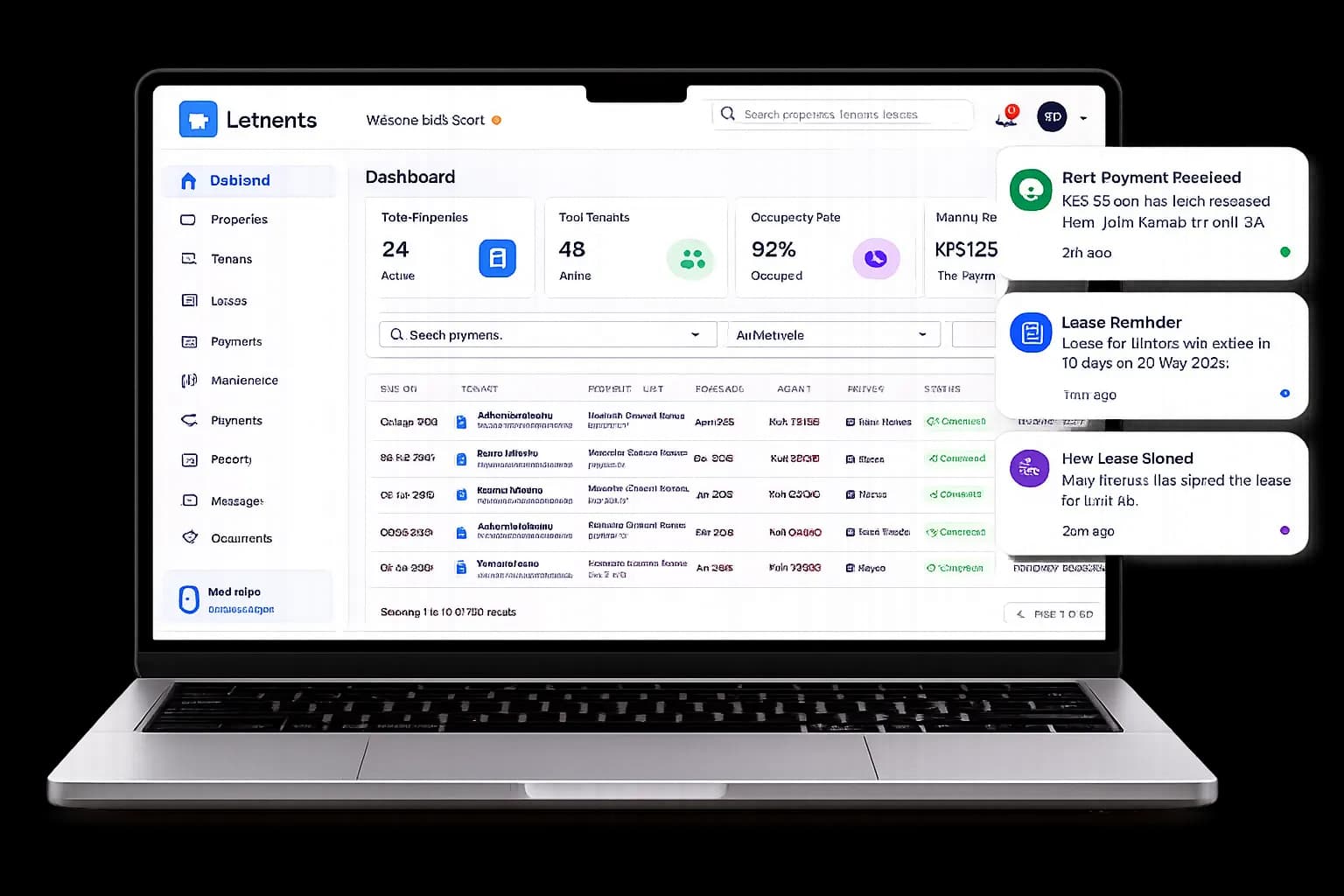
LetRents gives landlords and property managers one trusted record for every tenant, lease, and conversation — so you always know who is in which unit, what they owe, and what was agreed.

LetRents tenant management workspace showing tenant profiles, leases, and occupancy

The challenge

You cannot run rentals confidently when tenant information is scattered

Most rental teams do not lose tenants because they are careless. They lose control because every building, agent, and caretaker keeps records differently. When a lease question, balance dispute, or move-out arrives, someone has to reconstruct the story from memory.

A tenant calls about their lease end date and three people check three different sources before anyone answers.

Move-in documents, ID copies, and signed agreements sit in email attachments nobody can find six months later.

Rent changes agreed on the phone never make it into the billing schedule, and disputes follow.

Caretakers handle daily tenant messages, but the office has no shared history when staff change.

Vacant units stay empty longer because occupancy status is unclear until someone walks the building.

Exit conversations turn into arguments because notice dates, deposits, and final charges were never documented in one place.

LetRents tenant profile with lease and document records

Tenant records

Every tenant has one profile your whole team can trust

What you do
Add tenant details, contacts, unit assignment, and uploaded documents when someone moves in.
What happens automatically
LetRents links the profile to the lease, rent schedule, and property record automatically — so caretakers, agents, and finance staff see the same source of truth.
Business benefit
You stop re-entering tenant information and eliminate the “which spreadsheet is correct?” conversations that slow every portfolio down.
LetRents lease schedule and rent tracking view

Lease tracking

Lease terms that stay connected to what tenants actually pay

What you do
Set lease start and end dates, rent amounts, deposit terms, and notice periods when the tenancy begins.
What happens automatically
Amendments update the rent schedule and tenant balance view. Renewal dates appear on your operational calendar before units drift into vacancy.
Business benefit
Billing reflects what was agreed, renewals start on time, and owners get lease answers without waiting for someone to dig through files.
LetRents tenant communication and service history view

Communication history

Tenant conversations that do not disappear when staff rotate

What you do
Log calls, messages, notices, and service updates against the tenant record as your team works.
What happens automatically
Every interaction stays attached to the tenant and unit, giving new caretakers and agents immediate context.
Business benefit
Tenants feel heard, service feels consistent, and disputes drop because your team can show what was communicated and when.

How LetRents solves it

One tenancy record from move-in to move-out

Instead of feature checklists, think of one continuous thread: every person on your team works from the same tenant story.

  1. 1

    Open one profile when a tenant arrives

    Capture tenant details, lease terms, documents, and unit assignment in a single onboarding flow. Finance, caretakers, and managers see the same record before keys change hands.

  2. 2

    Run the active tenancy with full context

    Lease dates, balances, amendments, and communication history sit on one screen. When a tenant asks a question, your team answers from fact — not from searching WhatsApp.

  3. 3

    Act before renewals and vacancies slip

    Expiry dates and notice periods surface early. Renewals, rent adjustments, and unit status updates happen while the tenancy is still active — not after revenue is already leaking.

  4. 4

    Close tenancies with a documented exit

    Notice dates, inspections, final balances, and deposit decisions are recorded on the tenant record. Disputes shrink because the paper trail already exists.

What changes for your operation

Control and visibility you can actually run a portfolio on

Never lose track of who occupies which unit

Occupancy status, lease dates, and tenant context are visible portfolio-wide — not locked in one person’s notebook.

Answer tenant questions in seconds, not hours

Balances, lease terms, and communication history live on one profile, so front-line staff stop escalating routine questions.

Reduce disputes with documented agreements

Rent changes, notices, and exit decisions are recorded where everyone can see them — before conflict starts.

Shorten vacancy gaps between tenancies

Renewals and move-outs are managed proactively, so units return to income faster and handovers stay cleaner.

Who it is for

Built for operators who cannot afford messy tenant records

Individual landlords

Manage a handful of units without juggling notebooks, WhatsApp screenshots, and forgotten lease dates.

Property managers

Run multi-landlord portfolios with one tenancy record per unit, shared across caretakers, agents, and finance.

Real estate agencies

Keep agent-led tenancies consistent as listings convert to leases, renewals, and owner reporting.

Multi-property owners

See occupancy, lease health, and tenant history across buildings without calling each site manager for updates.

FAQ

Tenant management questions landlords ask most

Tenant management software centralizes tenant profiles, leases, documents, communication, and occupancy in one workspace. For Kenyan operators, it replaces scattered spreadsheets and WhatsApp threads with records your whole team can trust.

You will never lose track of tenant information again.

Start with your active tenants and leases today. LetRents gives your team one place to see every tenancy clearly.