

Accounting & General Ledger
Make the numbers easier to trace and review.
Connect day-to-day property activity with a disciplined accounting workflow. Keep source transactions, journal entries, and reporting periods connected for review.
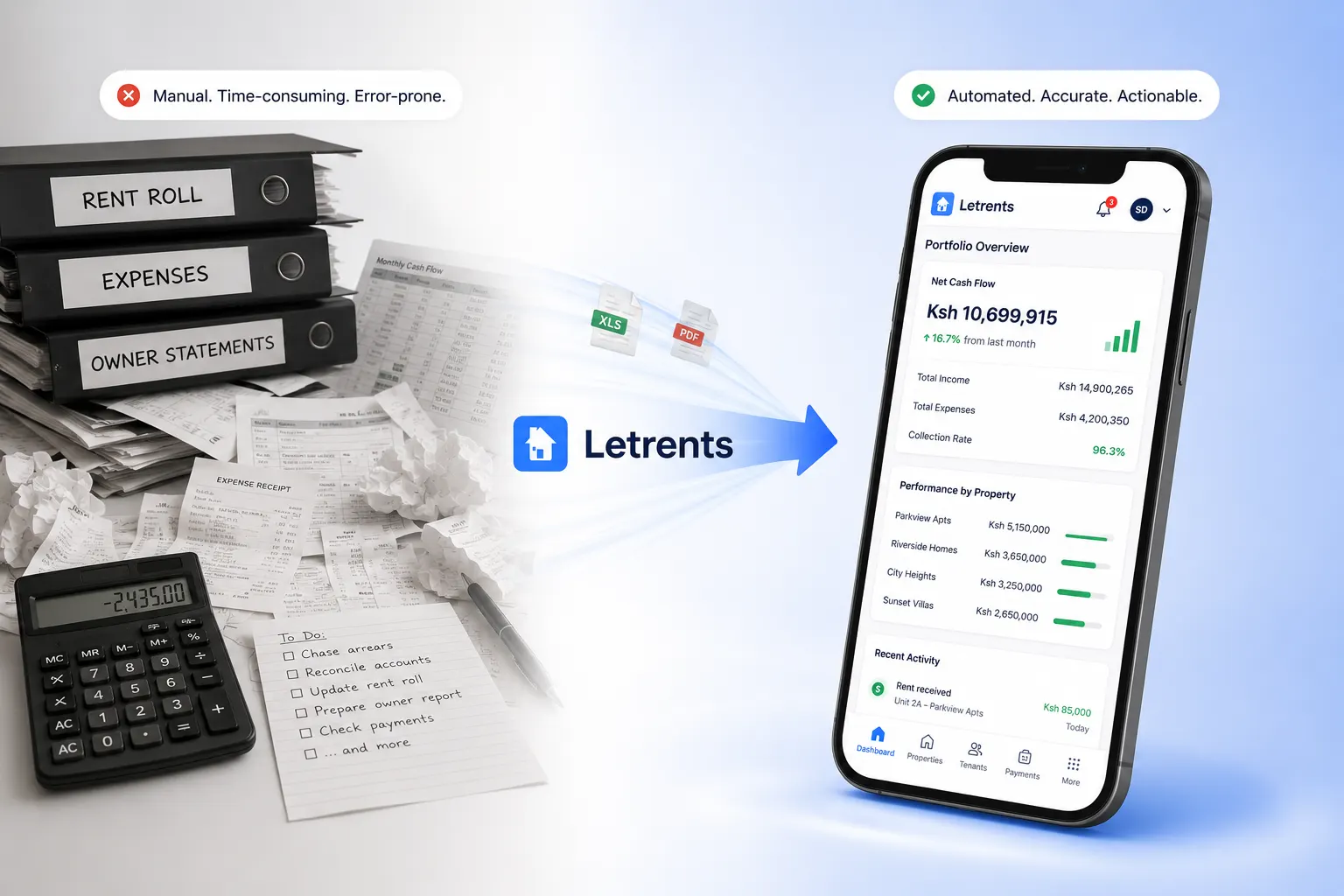
Accounting & General Ledger
What your team can do
LETRENTS Accounting is designed to connect source transactions with balanced journal entries for a defined company or property owner. A chart of accounts and accounting period provide the structure for recording and reviewing activity.
Each posted entry should remain traceable to its source, while corrections are recorded as auditable reversals or adjustments rather than silent edits. This makes it possible to review how balances were built.
With the books reconciled for a selected period, finance teams can prepare a trial balance, profit and loss statement, and balance sheet. The accounting model and opening balances should be agreed with a qualified accounting reviewer.
A typical workflow
A clear path from start to follow-up
- 1
Define the books
Set the entity, accounting period, and chart of accounts your team will use.
- 2
Review source activity
Map eligible property transactions to journals and resolve exceptions before posting.
- 3
Close and report
Review balances, reconcile differences, and produce statements for the selected period.
Good to know
Frequently asked questions
Is property finance reporting the same as a general ledger?
No. Operational property reports summarize billing and expenses; a general ledger requires a chart of accounts and balanced, auditable journal entries.
Can posted journal entries be edited?
A sound accounting workflow preserves posted entries and corrects them through an audited reversal or adjustment.
Which financial statements are available?
The planned accounting scope includes a trial balance, profit and loss, and balance sheet for a selected entity and period, subject to the configured books.